
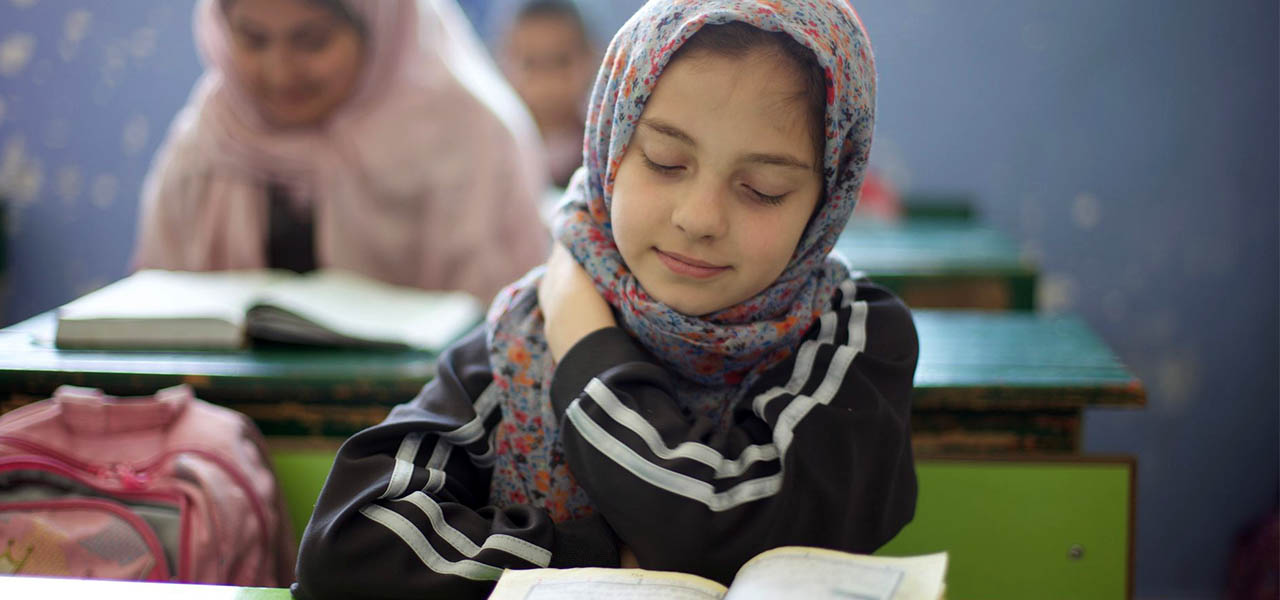
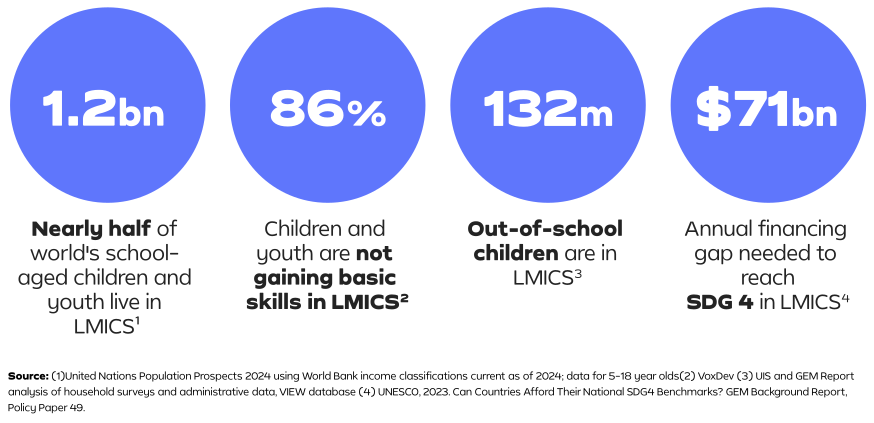
IFFEd targets the massive gap in education financing for LMICs – home to 1.2 billion children and youth – nearly half of the world’s young population. The vast majority are not gaining the basic skills to thrive.
Addressing the learning and skills crisis where the needs are greatest
From India to Pakistan, Nigeria to Kenya, some of the world’s most populous countries are LMICs caught in the “missing middle”: they are no longer eligible to receive grants but find non-concessional financing unaffordable. With limited domestic resources, LMICs’ investments in education and skills are often hit the hardest, as countries choose to prioritise more “economic” investments like infrastructure.
The financing gap in LMICs is much too large to be solved by traditional grant aid, which is not even enough to address the needs of the poorest countries. Total global aid for education is currently only around $17 billion, leaving a staggering $71 billion annual financing gap to deliver quality education for all in LMICs.
IFFEd is designed to address this enormous need. By maximizing scarce donor resources in an unprecedented way, IFFEd allows donors to better meet the financing needs of LMICs affordably, without having to reduce allocations for low-income countries or humanitarian crises.
Amidst competing needs for climate, health, and infrastructure , IFFEd enables LMICs to prioritise investments to educate their children and youth – and create a generation of possibilities.
How are lower-middle income- countries eligible?
IFFEd is accessible to lower-middle-income countries (LMICs) that have access to the non-concessional financing windows of IFFEd’s partner multilateral development banks (MDBs).
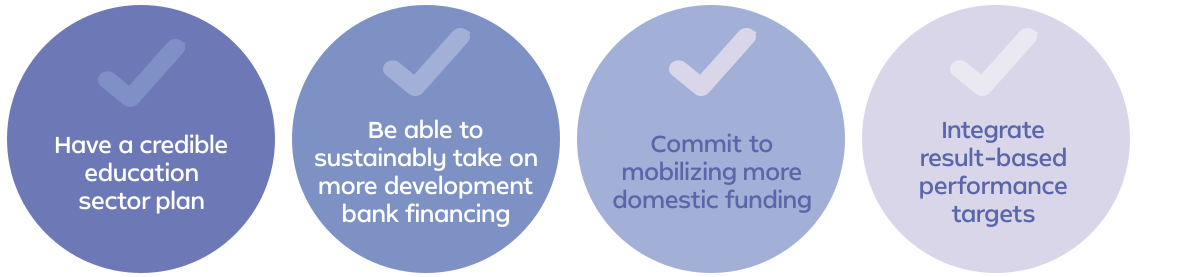
To be eligible, countries must meet the four key criteria below and demonstrate a commitment to providing quality education for all, especially the most marginalised children and youth. This includes increasing their domestic education budget to meet international standards.
What lower-middle-income countries are eligible?
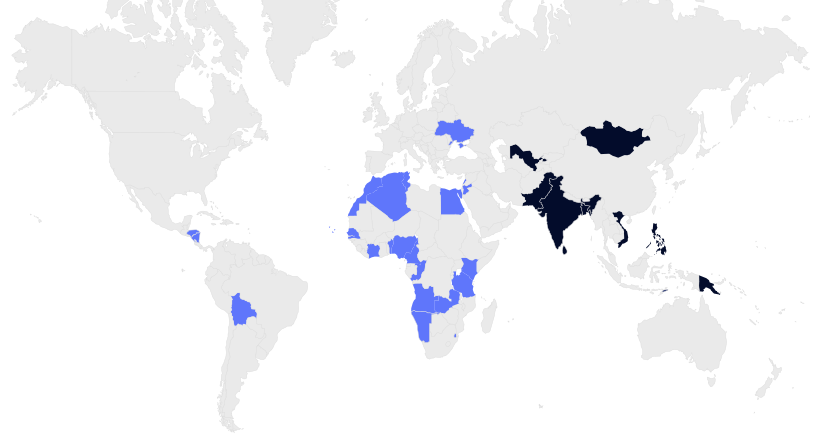
Asian Development Bank
Asia: Bangladesh, India, Mongolia, Pakistan, Papua New Guinea, Philippines, Sri Lanka, Timor-Leste, Uzbekistan, and Vietnam
World Bank
Africa: Algeria, Angola, Benin, Cape Verde, Cameroon, Congo, Rep., Côte d’Ivoire, Egypt, Eswatini, Kenya, Morocco, Namibia, Nigeria, Senegal, Tanzania, Tunisia, and Zambia
Europe: Ukraine
Middle East: Jordan and Lebanon
Latin America: Bolivia, Honduras, and Nicaragua
Why countries choose IFFEd?
IFFEd’s financial mechanism makes critical investments in quality education and skills development more affordable for lower-middle incomes (LMICs).
Country-led and flexible
Countries set their own education and skills programmes.
- Not tied to a specific education agenda
- Tailored to country-specific need and priorities
- Can support education-related cross-sector investments, for example in health and nutrition
More affordable financing
IFFEd grants will soften the interest rate on multilateral development bank loans and provide substantial savings to borrowing countries over the loan period.
- Grants help soften interest rates
- Lower borrowing costs over the loan period
- Unlocks significant additional financing for education and skills
More finance for education
IFFEd is designed to increase the affordable finance available to LMICs.
- Combines grants, capital and guarantees
- Works through multilateral development banks
- Every $1 of donor resources can generate $7 of education financing
Works alongside other initiatives
IFFEd financing can be paired with complementary initiatives and instruments as part of a comprehensive response to the country’s education needs.
- Can work alongside Global Partnership for Education (GPE) grants
- Can complement Education Cannot Wait (ECW) funding
- Can form part of a wider country financing package
IFFEd is always looking for new partners and is in conversation with other multi-lateral development banks to broaden the coalition and increase the number of lower-middle-income countries it can support.