
Investing in girls and women delivers returns at multiple levels economic, social and intergenerational, often creating a virtuous cycle of human capital development. Yet, as we mark International Women’s Day in many regions, the investment in human capital is not happening at a sufficient level to ensure, and sustain, economic growth.

Investing in girls and women delivers returns at multiple levels economic, social and intergenerational, often creating a virtuous cycle of human capital development. Yet, as we mark International Women’s Day in many regions, the investment in human capital is not happening at a sufficient level to ensure, and sustain, economic growth.
The World Economic Forum’s Global Gender Gap report found that “globally, women account for only 38 percent of human capital wealth versus 62 percent for men. In low- and lower-middle income countries, women account for a third or less of human capital wealth.” Yet, educated girls are widely considered one of the stronger drivers of economic growth, alongside delivering significant social returns. Each year of additional learning for girls, increases their future earnings significantly; educated women are more likely to participate in the labor force and closing gender gaps in education raises GDP growth rates. Socially, educated women marry later and have fewer children, because of which they can, and choose to, invest more in their children’s health and education. The impact is felt across generations with those who have educated mothers significantly more likely to attend and participate in school.
Despite widespread awareness of the benefits of investing in women and girls gender inequality in education the foundation of human capital, remains persistent and is holding back countries from fully unlocking their demographic dividend. In many low- and middle-income countries, large and growing youth populations present a historic opportunity for economic transformation yet, without equitable investment in education and skills for women and girls that opportunity risks being lost. In Sub-Saharan Africa, the region with the largest, and fastest growing, population of young people (age 0-14) 90% are in Learning Poverty, defined as the percentage of 10-year-olds unable to read a simple sentence.
Accessing education and attaining the skills necessary for emerging job markets are, for women and girls, often constrained by a combination of factors: poverty and household financing; early marriage and adolescent pregnancy; disproportionate domestic and caregiving responsibilities; limited access to safe and quality secondary education; and education systems that are not aligned with emerging labor market demands. Fiscal constraints further limit governments’ ability to scale targeted interventions that would address these barriers.
Addressing these challenges requires coordinated action from governments, development partners, philanthropists, multilateral development banks and the private sector. It requires investing in foundational learning, expanding access to quality secondary education for girls, supporting safe and gender-responsive school environments, strengthening pathways from school to employment, and enabling women to re-enter the workforce through flexible reskilling opportunities. Crucially, governments need access to affordable, long-term financing tools that make these investments fiscally and politically viable.
Global institutions have reinforced this economic case for action. The World Bank has highlighted the macroeconomic costs of learning poverty and the central role of foundational learning in building human capital and sustaining growth. At the same time, the Asian Development Bank has emphasised strengthening pathways from education to skills and employment, particularly to increase women’s participation in the labour force. Together, these approaches underscore a shared conclusion: investing in girls’ education and women’s skills is fundamental to economic transformation.
Many are rallying to the cause but financial realities in the current political and economic environment remain challenging. IFFEd’s innovative financing mechanism is helping unlock investment for projects that will specifically seek to support girls in education and women returning to the workforce. Through its partnership with the Asian Development Bank, two projects in South East Asia are scoped, the first is aimed at reducing the number of girls dropping out of secondary school; the second will focus on helping women return to the workforce after they’ve taken time out for maternity breaks or for family support reasons.
Investing in education and skills has the potential to unlock an immense human capital opportunity, but for girls to gain the benefits of learning, and for women to access and remain in the labor force, governments need the financial toolkits available to them that create incentives for affordable investment.
This article was first published as part of UNESCO’s Global Education and Monitoring series.
8 March 2026
News
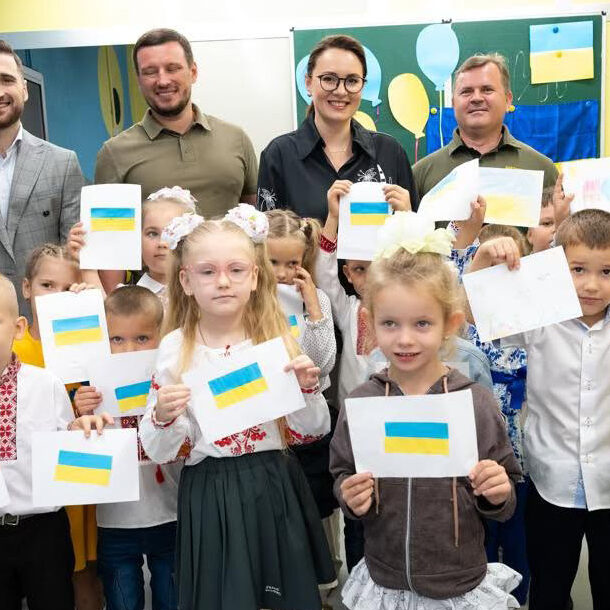
Ukraine’s former First Deputy Minister for Education and Science joins IFFEd
Ukraine’s former First Deputy Minister of Education and…

Education sector has good components, but bad plumbing
IFFEd is delighted to announce the appointment of…
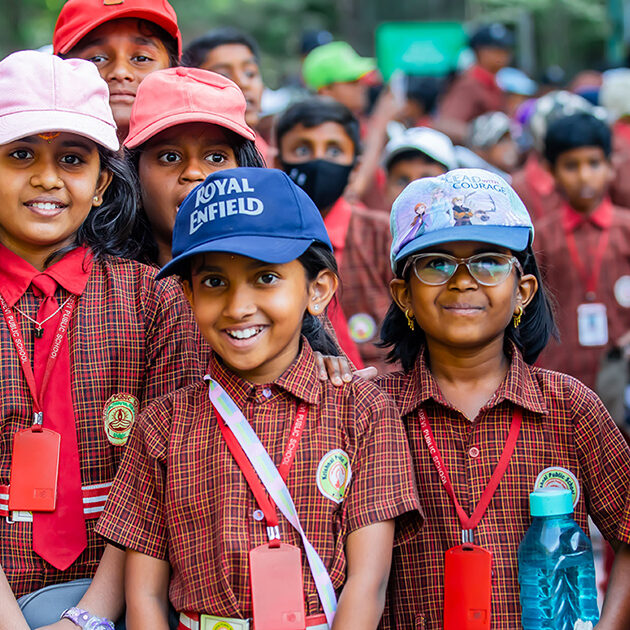
Supporting an Indian state government to achieve its economic aspirations
The Asian Development Bank (ADB) and IFFEd have…